The Silent Profit Killer:
Why Local Oversight is Non-Negotiable when it comes to your Second Home

In the world of high-end real estate, Punta Cana is a crown jewel. Between the explosive growth of the Punta Cana–Bávaro corridor and the ultra-exclusive enclaves of Punta Cana Resort & Club or Cap Cana, owners are seeing record-breaking tourism arrivals and steady property appreciation.
However, owning a slice of paradise in the Dominican Republic comes with a specific set of environmental and logistical challenges that can quietly erode your investment. In a tropical climate, “out of sight” often leads to “out of pocket.” Whether you are positioning your property for the short-term rental market or holding it as a private retreat, a local property management partner isn’t a luxury—it’s a financial firewall.
1. The Tropical Tax: Humidity, Salt, and Corrosion
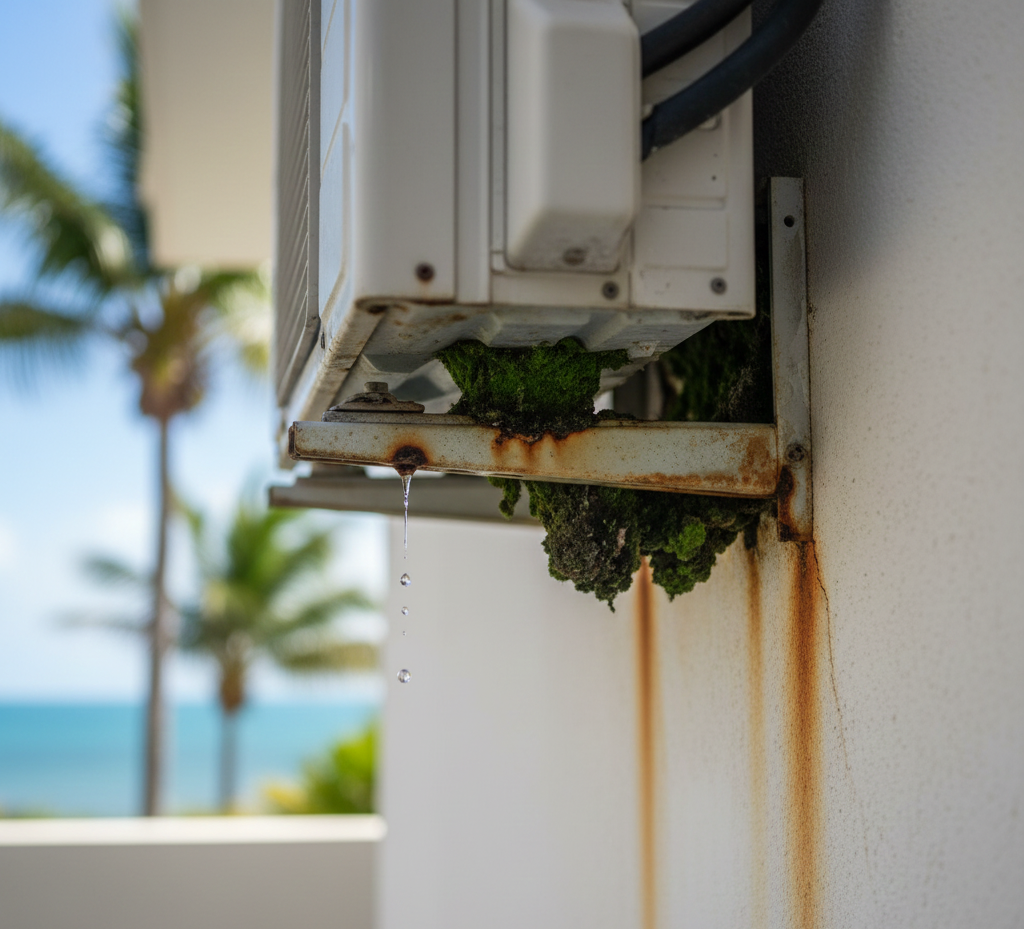
Punta Cana’s greatest draw—its proximity to the ocean—is also its property’s greatest threat. The “salty air” effect is a physical reality here that mainland owners often underestimate.
Accelerated Corrosion: Salt air doesn’t just affect your balcony railings; it infiltrates your HVAC systems, appliances, and electrical wiring. Without weekly “rinse-downs” and specialized anti-corrosion treatments, the lifespan of an AC unit in a beachfront condo can be cut by 40–50%.
The Mold Multiplier: In a climate where humidity levels consistently hover above 70%, a failed AC unit or a minor roof leak isn’t just a repair—it’s a catastrophe. Within just 48 to 72 hours, mold spores can colonize drywall and upholstery.
The Savings: Professional mold remediation for a whole house in the Caribbean can easily exceed $15,000–$30,000. A local manager performing weekly “humidity checks” and AC cycling costs a fraction of that, potentially saving you tens of thousands in structural repairs.
2. The Infrastructure Gap: Preventing Logistical Headaches
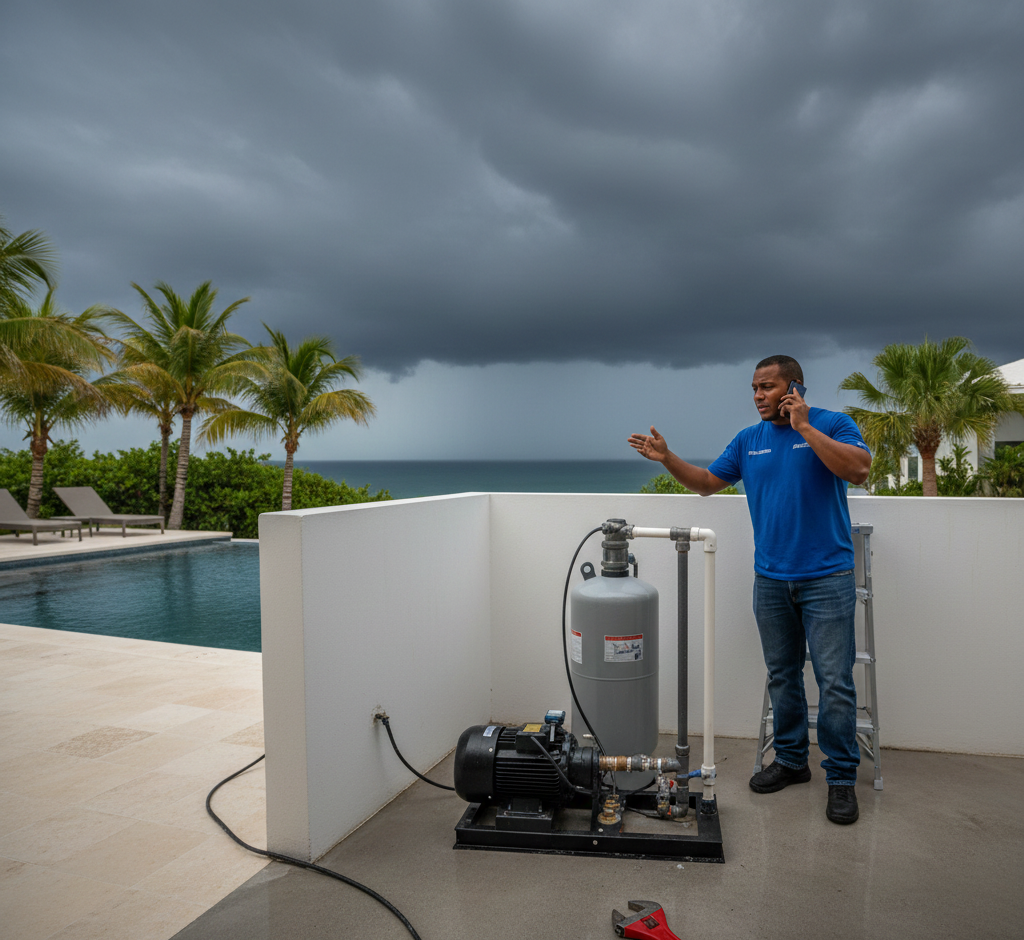
Operating a home in the DR requires a local “fixer.” When a tropical storm causes a power surge or a water pump fails in Vista Cana, you cannot resolve it from Miami or New York.
Vetted Trade Networks: In Punta Cana, the best contractors don’t always have a website. They work based on relationships. A local manager has a “short-list” of reliable electricians and plumbers who prioritize their properties because of the volume of work provided.
Utility & Compliance Management: Missing a utility payment in the DR can lead to immediate disconnection and hefty reconnection fees. Moreover, with 18 new Confotur-certified projects launching in 2026, staying compliant with tax exemptions and local regulations requires constant, on-the-ground attention.
Hurricane Readiness: When a tropical depression is upgraded to a hurricane, you have a 24-to-48-hour window to secure shutters, clear outdoor furniture, and protect your glass. If you aren’t here, and you don’t have a manager, you are at the mercy of the wind.

3. Protecting Your “Rental Ready” Status
For owners looking to capitalize on Punta Cana’s 9–11% net yield potential in areas like Los Corales, the property must be “guest-ready” at all times.
The “Neglect Discount”: Data shows that vacation rentals with even minor signs of wear—musty odors, salt-corroded fixtures, or patchy landscaping—see a 20% drop in booking rates and lower review scores.
The Zero-Day Response: Guests in luxury markets expect immediate solutions. If a water heater breaks at 9:00 PM on a Saturday, a local management team ensures the guest stays happy and the 5-star review remains intact. One bad review in a competitive market like Cap Cana can cost you thousands in lost future revenue.

The Bottom Line: Equity Preservation
A second home in Punta Cana should be a source of peace, not a source of “What if?” Having a local guardian for your asset ensures that the property appreciates while you sleep. By preventing the $10,000 “humidity disaster” and avoiding the 15% “neglect discount” during resale, professional management effectively pays for itself.
